
The website converts the supplied tender workflow into an eight-stage journey you can understand, plan and manage.
Most disqualifications don't happen because of price or quality — they happen because of a missed signature, an expired certificate, or a form filed a day late. This process exists to catch those before they cost you the bid.
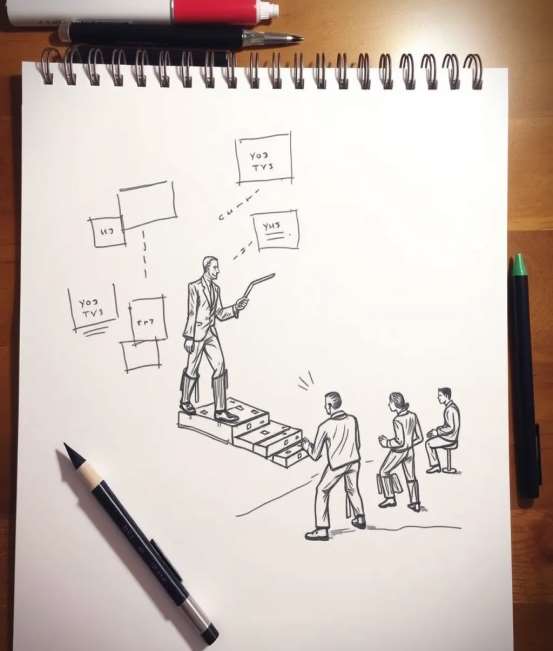
An eight-stage process may feel slower than diving straight into paperwork, but each stage is designed to remove a specific category of avoidable risk.
Analyse the tender scope, eligibility, technical requirements, financial conditions and deadlines.
Make an informed bid/no-bid decision based on capability, compliance and commercial fit.
Prepare and compile required forms, certificates, declarations, credentials and evidence.
Coordinate the preparation and submission workflow while keeping the bid aligned to requirements.
Run a compliance checklist, confirm signatures and ensure the latest document versions are used.
Complete the e-procurement submission before the stated deadline and retain submission records.
Monitor buyer communications and support timely responses to clarification requests.
Track evaluation outcomes, feedback and post-bid actions to improve future submissions.
The supplied material emphasizes document checks, version control, compliance review, signatures, submission checklists, backups and feedback incorporation.
Confirm all required documents are prepared and organized.
Use the latest approved versions before submission.
Check documents against stated tender criteria.
Maintain digital copies of submitted documents for reference.

The supplied presentation specifically calls out document checks, version control, compliance review, signatures, submission checklists and digital backups.
A tender is won on the day you decide to bid — everything after that is just disciplined execution of a plan.
How we think about the eight-stage process